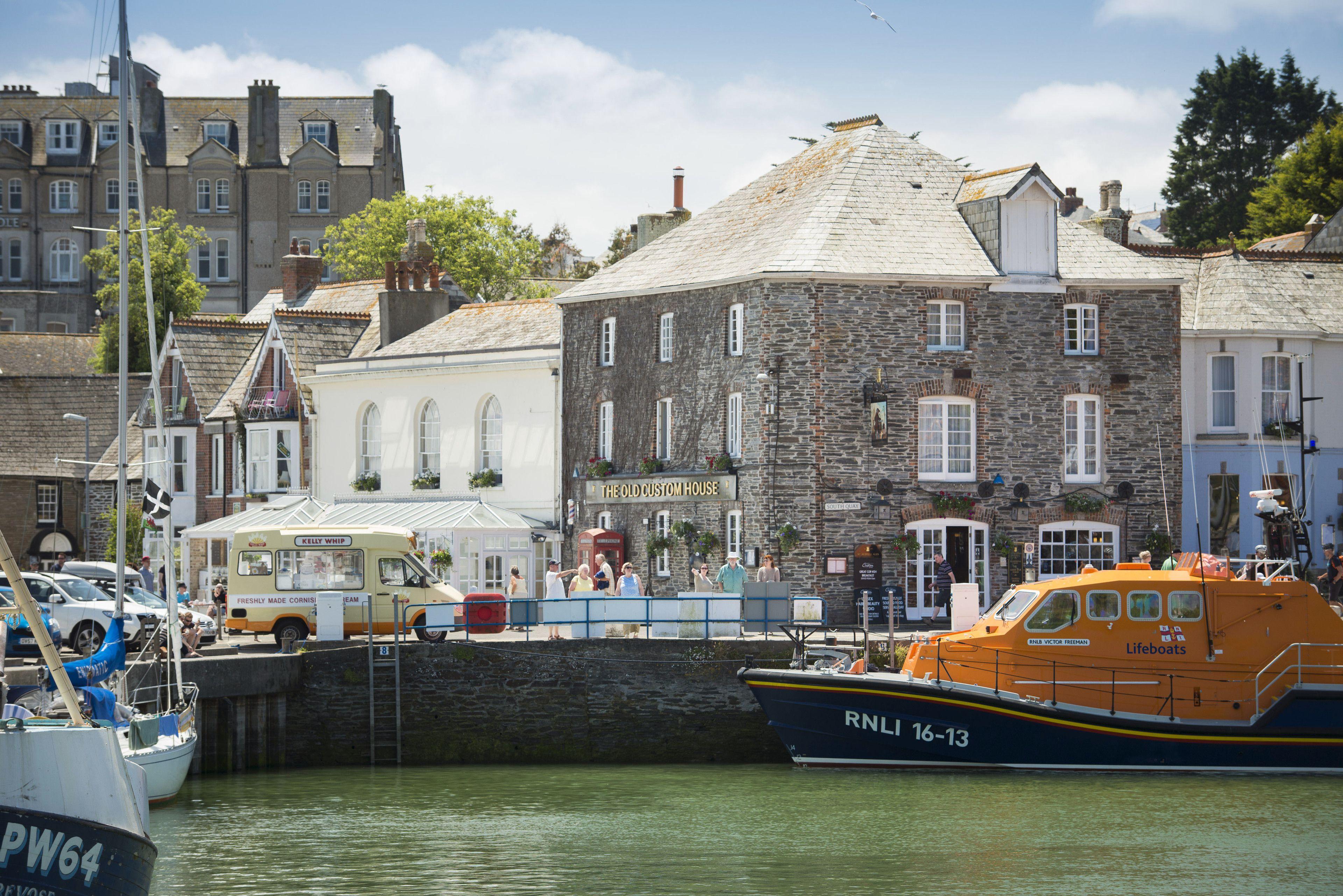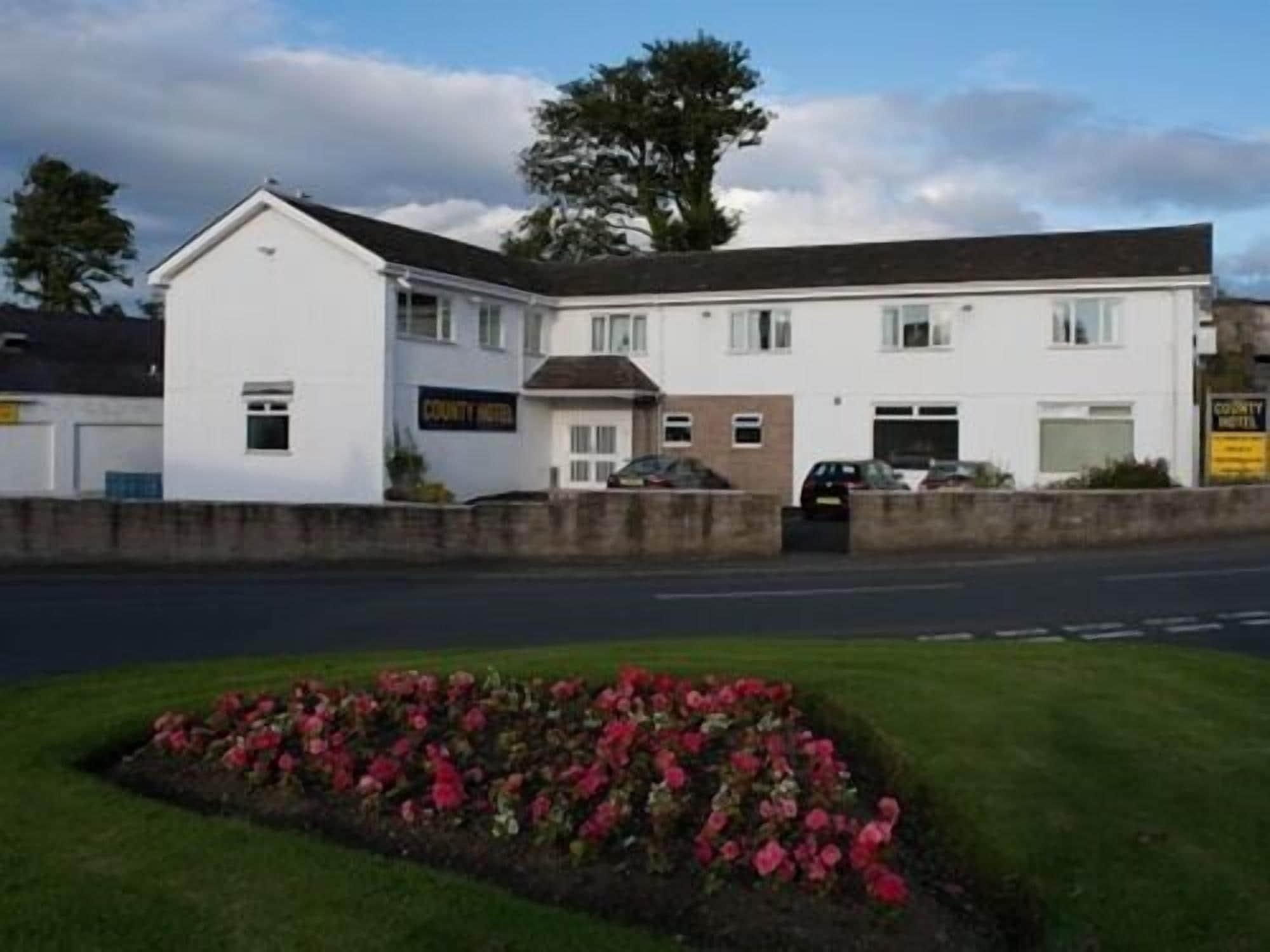
Kent sits at the southeastern edge of England, connecting London to continental Europe through the Channel Tunnel and offering a rare mix of coastal towns, medieval castles, and rolling countryside within a compact region. Whether you're arriving via Folkestone, routing through Tunbridge Wells, or exploring the villages near Leeds Castle, choosing the right base determines how much ground you can realistically cover without wasting time in transit.
What It's Like Staying in Kent
Kent operates as both a destination and a transit corridor - trains from Folkestone to London St Pancras run in under an hour, making it viable for day-trippers and multi-night stays alike. The county covers a wide geographic spread, so your experience varies significantly depending on whether you base yourself in a coastal town like Folkestone, a spa town like Royal Tunbridge Wells, or a rural village near the Weald. Coastal areas draw summer crowds heavily from late June through August, while inland spots remain accessible year-round with fewer fluctuations in visitor pressure.
Pros:
- Fast rail access to London means Kent works as a base for mixed city-countryside itineraries
- Wide variety of landscapes - coast, castles, orchards, and market towns - all within around 50 km of each other
- Strong concentration of historic sites including Dover Castle, Leeds Castle, and Hever Castle without needing a car if you plan routes carefully
Cons:
- Rural areas have limited public transport, making a car near-essential for villages and countryside hotels
- Coastal towns like Folkestone can feel quiet and underdeveloped outside of peak season
- Accommodation prices in well-connected areas spike sharply during Bank Holiday weekends and summer school holidays
Why Choose Hotels in Kent
Hotels in Kent span from Victorian townhouse properties overlooking historic commons to country pub-style inns within reach of major castles - a range that suits both leisure and business travellers without requiring boutique or luxury budgets. Mid-range hotels here typically offer private parking as standard, which is a significant practical advantage given how spread out the county's attractions are. Unlike central London accommodation, Kent hotels frequently include breakfast in the rate and provide more generous room sizes, making them better suited for multi-night stays where comfort and storage matter.
Pros:
- Free private parking is common across Kent hotels, removing a significant daily cost compared to urban stays
- Breakfast inclusion is widespread, reducing daily spend on meals during active sightseeing days
- Room sizes are notably larger than equivalent-priced London hotels, with more practical layouts for couples and families
Cons:
- Fewer hotels with on-site gyms, spas, or pools compared to resort destinations
- Some properties are spread across low-density areas, requiring a car to access restaurants or evening entertainment
- Availability tightens quickly around popular events like the Folkestone Triennial or Brands Hatch race weekends
Practical Booking & Area Strategy
Folkestone is the most strategically connected base in Kent - Eurotunnel access, a working harbour, and a 10-minute walk to the beach make it practical for visitors arriving from France or planning coastal days. Royal Tunbridge Wells suits travellers prioritising a walkable town centre with Georgian architecture, independent shops along The Pantiles, and direct trains to London Charing Cross in under an hour. For castle-focused itineraries, positioning yourself near the Weald - within reach of Leeds Castle, Hever Castle, and Ightham Mote - reduces daily driving significantly. Book at least 6 weeks ahead for summer stays, particularly in Folkestone and Tunbridge Wells, where demand from both domestic tourists and cross-Channel travellers compresses availability quickly. Villages near Westerham also offer proximity to both London Gatwick Airport and the M25, making them logical first or last-night stops on a broader UK trip.
Best Value Stays in Kent
These hotels offer strong practical value across Folkestone and Royal Tunbridge Wells, with solid transport links and reliable included amenities that reduce daily costs during a Kent itinerary.
-
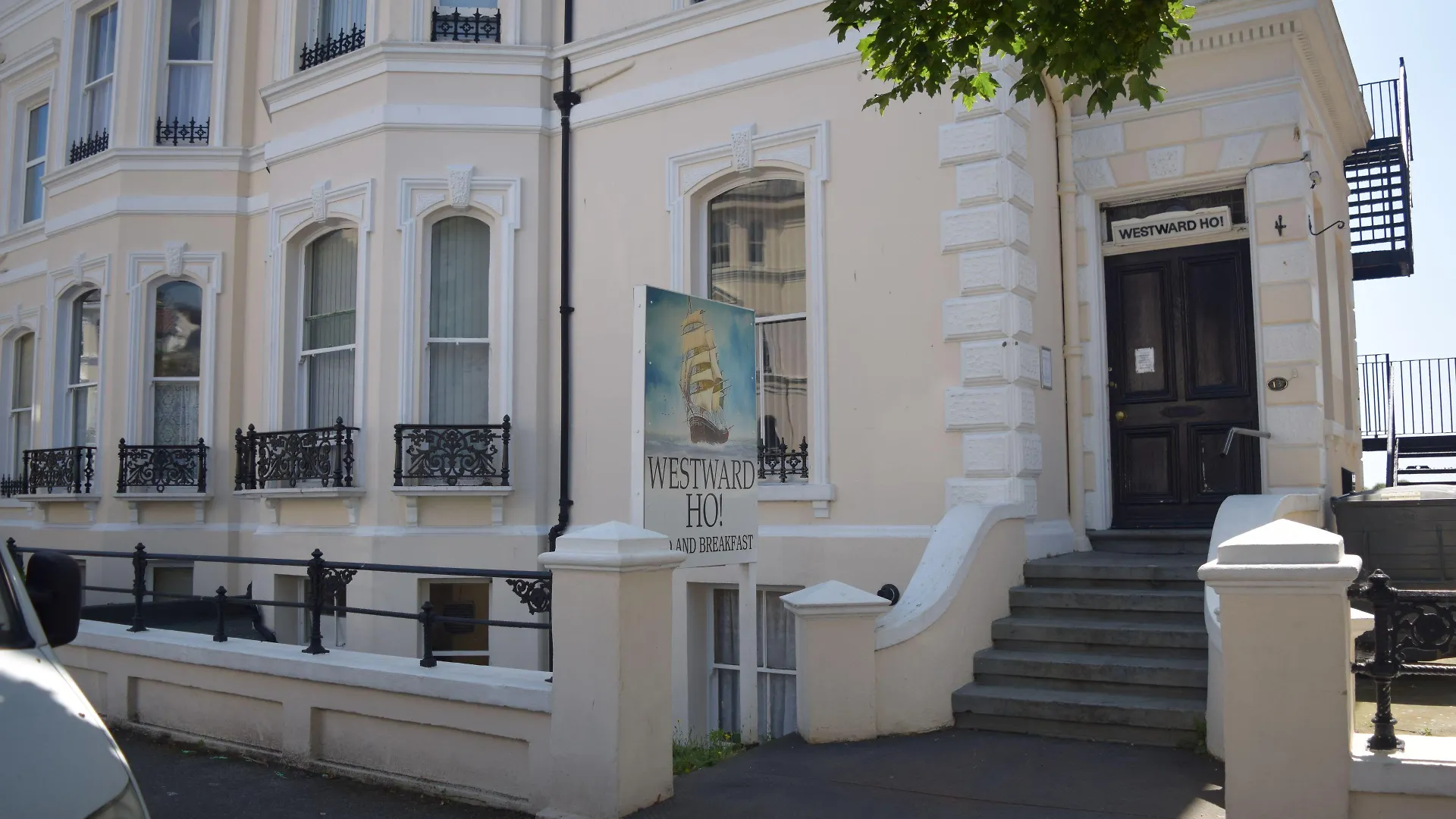
1. Westward Ho Hotel
Show on map


 Check-infrom 14:00 until 23:00Check-outuntil 11:00
Just a few rooms left at the best rate!
from£ 46
-
2. Russell Hotel
Show on map


 Check-infrom 14:00 until 23:59Check-outuntil 11:00
Just a few rooms left at the best rate!
from£ 55
Best Premium Stays in Kent
These properties are positioned closer to Kent's major castle and countryside attractions, offering on-site dining, bar facilities, and more complete amenity sets for travellers who want convenience built into their stay.
-
3. The George & Dragon
Show on map


 Check-infrom 15:00 until 22:00Check-outfrom 08:00 until 11:00
Hurry – almost gone at this price!
from£ 139
-
4. The Wishful Thinker
Show on map


 Check-infrom 15:00 until 22:00Check-outuntil 11:00
Rooms filling fast – secure the best rate!
from£ 106
Smart Travel & Timing Advice for Kent
Kent's peak demand window runs from late June through August, driven by school holidays, coastal visitors, and cross-Channel tourism - during this period, prices at well-located properties can rise by around 35% compared to shoulder season rates. May and September offer the most balanced conditions: weather remains reliable, attractions are fully operational, and availability is significantly easier to secure. The Folkestone Triennial art event and Brands Hatch race weekends create sharp localised demand spikes that can sell out specific areas weeks in advance. For Leeds Castle or Hever Castle visits, book at least 4 weeks ahead in summer to secure nearby accommodation at stable rates. A stay of three nights is typically the minimum needed to cover both a coastal base like Folkestone and an inland castle destination without feeling rushed. Last-minute bookings in Kent outside of summer can yield good rates, particularly midweek, but rural properties fill faster on weekends year-round due to London day-tripper demand.