Derwent Dam sits in the Upper Derwent Valley within the Peak District National Park - the same dam used by RAF 617 Squadron for the Dambusters training runs in 1943. Staying in the area means positioning yourself for reservoir walks, the Derwent Edge trail, and direct access into the Hope Valley and Edale. The villages of Hope, Castleton, and Edale form the practical lodging triangle for anyone visiting the dam, each within a realistic driving radius with very different characters and transport links.
What It's Like Staying Near Derwent Dam
The area surrounding Derwent Dam is rural Peak District - there are no hotels at the dam itself, and the nearest accommodation clusters are in the villages of Hope, Castleton, and Edale, all within around 15 km by road. Public transport to the dam is extremely limited, so most visitors arrive by car or bicycle, with the Fairholmes visitor centre serving as the main access point. Crowds peak heavily on summer weekends and bank holidays, when the reservoir road fills quickly and parking at Fairholmes becomes a bottleneck by 9am.
Staying in one of the valley villages gives you a proper base for multi-day exploration - the Derwent Edge, Ladybower Reservoir loop, and Bleaklow plateau are all within reach. Edale sits at the start of the Pennine Way, making it a distinct hub for serious walkers rather than just dam visitors.
Pros:
- Direct access to the Upper Derwent Valley, Ladybower, and Derwent reservoirs without commuting from a city
- Village bases like Castleton and Hope have pubs, cafés, and trail heads within walking distance of accommodation
- Arriving the night before means you can reach Fairholmes car park before it fills, which regularly happens before 10am on weekends
Cons:
- No accommodation sits within walking distance of the dam - a car or bike is essential for the final stretch
- Village options are limited in number and book out weeks ahead during peak summer and autumn colour season
- Evening dining choices are sparse outside of inn restaurants, particularly in Edale
Why Choose Central Hotels Near Derwent Dam
Central accommodation near Derwent Dam means staying within the Hope Valley corridor - properties in Hope, Castleton, or Edale that put you at the operational heart of the Upper Derwent area without the long drive from Sheffield or Manchester each morning. These are typically inns, hostels, or self-catering cottages rather than branded hotel chains, which reflects the rural planning restrictions of the National Park. Self-catering and inn-style stays dominate this market, and they tend to cost significantly less per night than equivalent countryside retreats outside the park boundary.
Room sizes in valley properties vary considerably - cottage lets offer full kitchen facilities and more living space, while inn rooms are compact but often include breakfast. Foot traffic and noise are minimal compared to urban hotels, but trade-offs include limited reception hours and the need to book dinner in advance at most properties.
Pros:
- Staying centrally in Hope or Castleton puts Derwent Dam, Mam Tor, Kinder Scout, and Peveril Castle all within around 20 minutes by car
- Inn-style accommodation typically includes dinner and breakfast on-site, removing the need to drive for evening meals
- Self-catering cottages offer full kitchen use, making multi-night stays significantly cheaper than booking restaurant meals separately
Cons:
- Check-in windows are often narrow at smaller inns and self-catering properties - late arrivals need to be arranged in advance
- Properties sell out for weekends throughout summer and autumn, sometimes around 6 weeks ahead for the most popular options
- Limited on-site amenities compared to larger countryside hotels further from the National Park boundary
Practical Booking & Area Strategy
For Derwent Dam access, the strongest strategic base is the Hope-Castleton corridor along the A6187, which keeps you within easy driving reach of Fairholmes while also connecting you to Hope Rail Station on the Sheffield-Manchester line. Edale, sitting slightly north along Edale Road, is the quieter alternative and the natural choice for walkers targeting the Pennine Way or Kinder Scout alongside the dam. Castleton offers the widest range of evening options - its cluster of pubs and cave attractions makes it the most self-contained village base in the valley.
Beyond Derwent Dam itself, the nearby draws include Ladybower Reservoir, Winnats Pass, Mam Tor, and Peveril Castle - all reachable within 20 minutes. The Derwent Edge walk from Fairholmes is a consistent draw for day hikers. Book at least 5-6 weeks ahead for any summer weekend, and consider arriving mid-week to avoid the Fairholmes parking crush entirely.
Best Value Stays
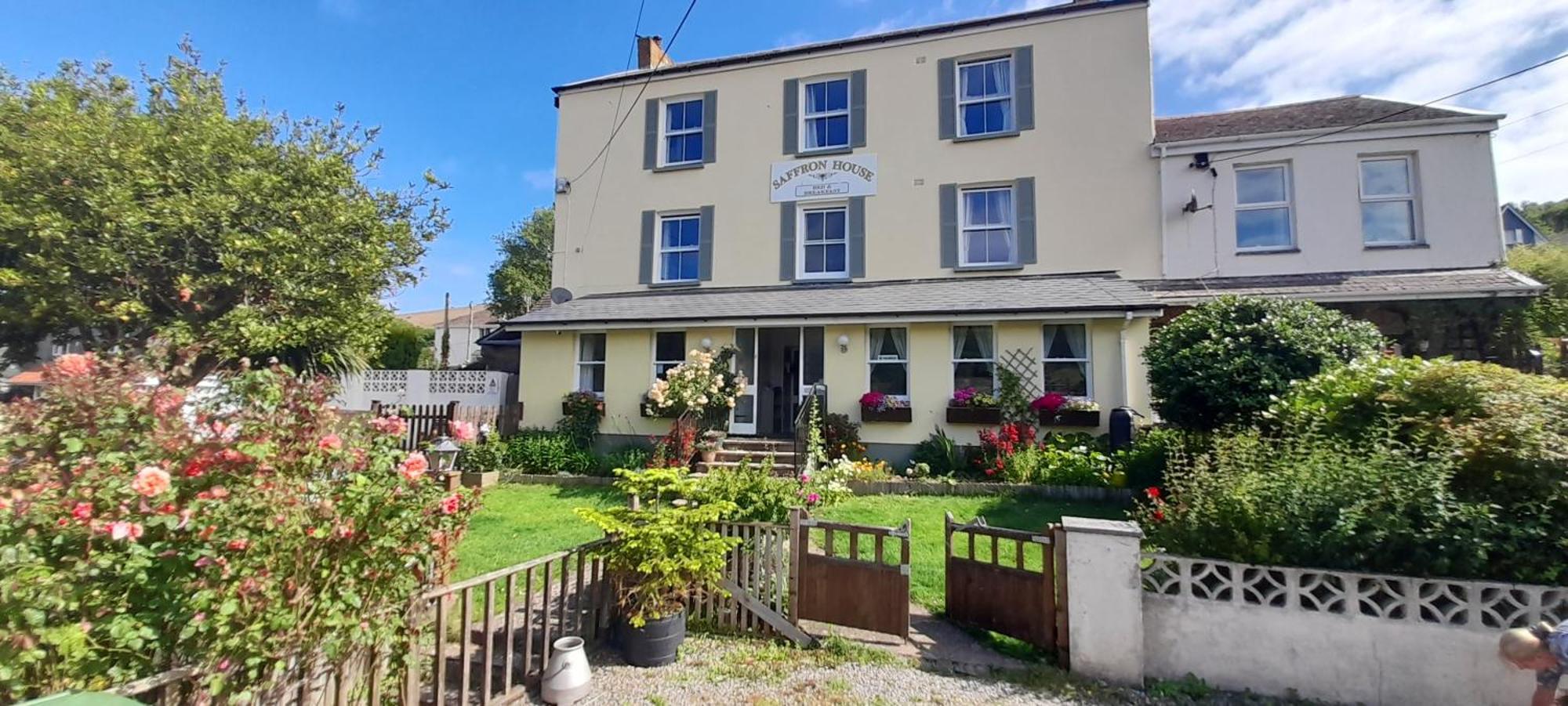
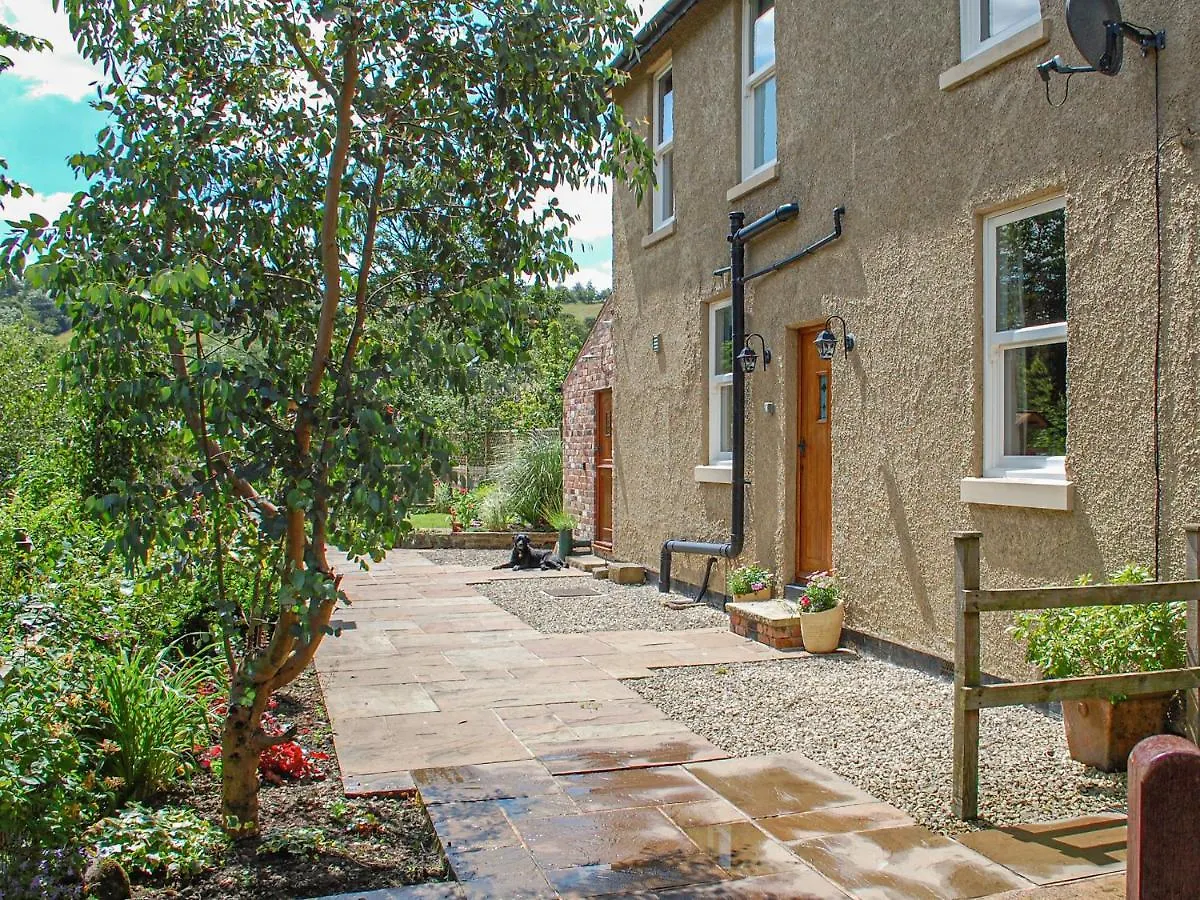
These properties offer strong practical value for visitors using Derwent Dam as a primary reason to stay in the Upper Derwent Valley, with self-catering flexibility or hostel-scale pricing that suits multi-night itineraries.
-
1. Brinks View Cottage
Show on map


 Check-infrom 15:00 until 23:59Check-outuntil 10:00
Just a few rooms left at the best rate!
from£ 254
-
2. Yha Castleton Losehill Hall
Show on map


 Check-infrom 15:00 until 22:00Check-outuntil 10:00
Just a few rooms left at the best rate!
from£ 30
Best Premium Stays
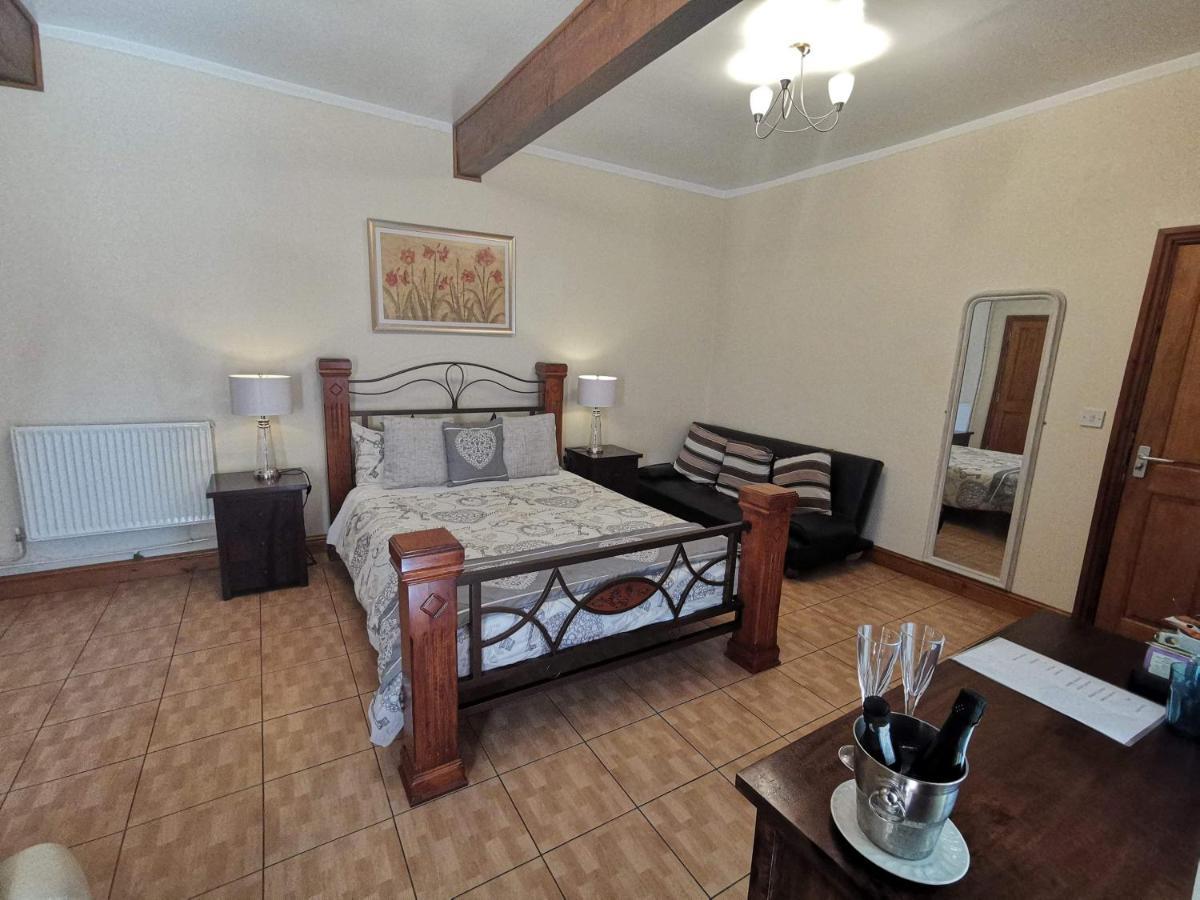
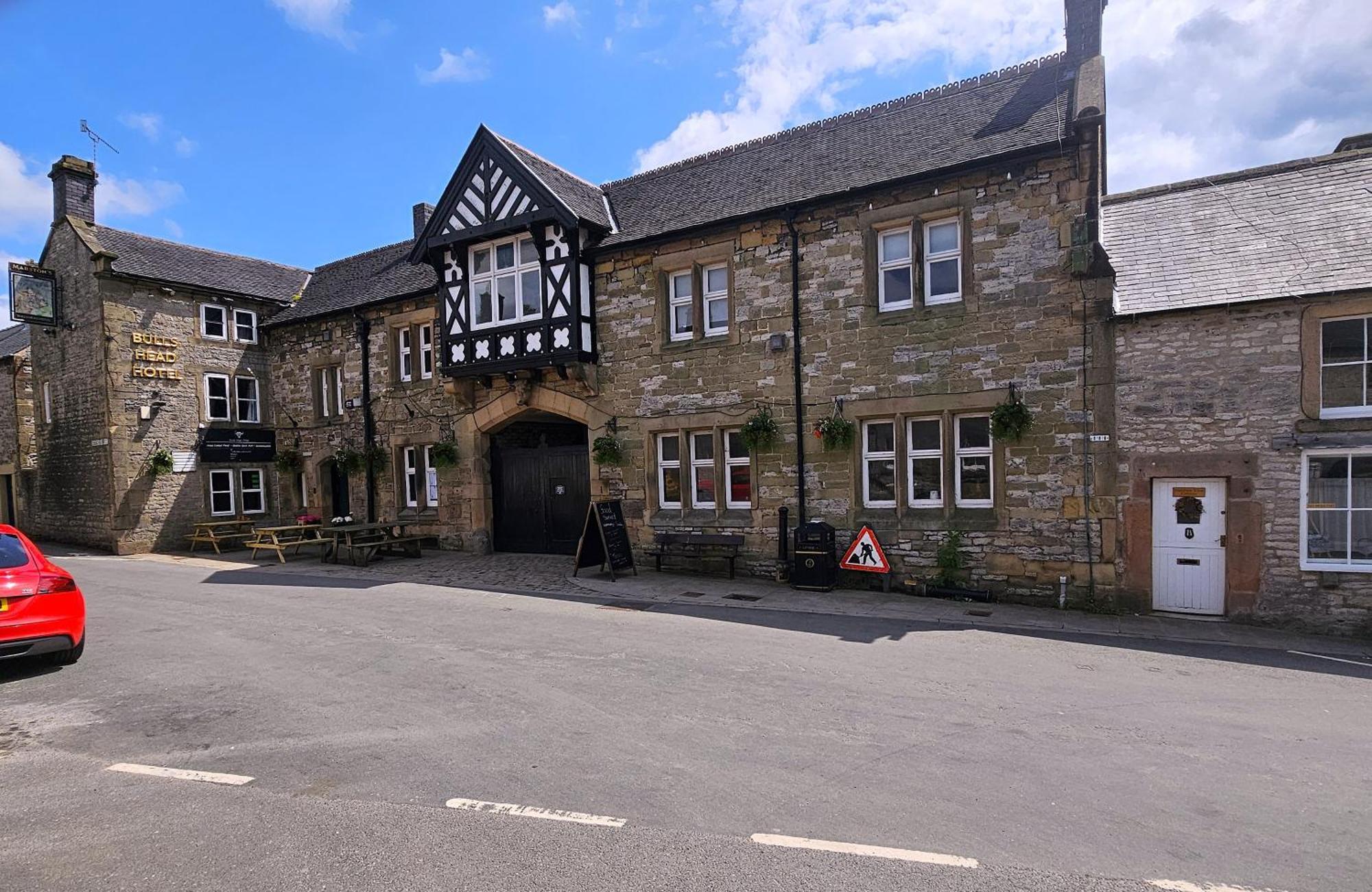
These inn-style properties offer en suite rooms, on-site dining, and established hospitality infrastructure - the most self-contained options in the valley for visitors who want everything within one property after a full day at Derwent Dam or on the surrounding trails.
-
3. The Rambler Inn & Holiday Cottage
Show on map


 Check-infrom 15:00 until 22:00Check-outfrom 08:00 until 10:00
Hurry – almost gone at this price!
from£ 86
-
4. The Castle By Innkeeper'S Collection
Show on map


 Check-infrom 15:00 until 22:00Check-outfrom 07:00 until 12:00
Rooms filling fast – secure the best rate!
from£ 82
Smart Travel & Timing Advice
The Upper Derwent Valley draws the highest visitor numbers between late July and late August, and again during the October half-term week when autumn colour on the Derwent Edge is at its peak. Accommodation across Hope, Castleton, and Edale books out the fastest during these windows, often 5 to 6 weeks ahead for weekends. Mid-week stays in September are the practical sweet spot - trails are quieter, Fairholmes car park remains manageable, and rates at inn properties tend to be lower than weekend pricing. Spring visits from late March to May offer reliable trail conditions and fewer visitors than summer, though some self-catering properties have minimum two-night stays at weekends year-round. For Derwent Dam specifically, the annual Dambusters Memorial flypast in May draws additional visitors and affects local availability around that period. A two-night stay is the practical minimum to cover Derwent Dam, Ladybower, and at least one of the Castleton caverns or Mam Tor without rushing. Last-minute availability in this area is genuinely rare on weekends between May and October - advance booking is not optional strategy but logistical necessity.