The Lake District is one of England's most visited national parks, drawing hikers, cyclists, and short-break travellers to its valleys, fells, and lakeside villages year-round. Choosing a 3-star hotel here means striking a balance between comfort and cost - a smart move in a region where prices can spike sharply during peak season. This guide covers six well-positioned properties across the Lake District area, from Gretna and Beetham to Barrow-in-Furness and Penrith, helping you decide where to stay based on your itinerary, not just your budget.
What It's Like Staying in the Lake District
The Lake District spans around 2,362 square kilometres of protected national park, and where you base yourself dramatically shapes your experience. Villages like Windermere, Ambleside, and Keswick act as natural hubs, offering transport links, restaurants, and trailheads - but they fill up fast in summer and on bank holiday weekends. Staying slightly outside the central park, in towns like Penrith or Barrow-in-Furness, often means quieter surroundings and easier parking, especially if you're driving. The region is almost entirely car-dependent outside the main ferry and bus routes, so travellers without a vehicle should factor that into their accommodation choice carefully.
Pros:
- Unmatched access to England's most dramatic lake and fell scenery, with Scafell Pike, Windermere, and Coniston all within reach
- A wide spread of accommodation towns means you can find a quieter base while still accessing core attractions within around 30 minutes
- The region rewards multi-night stays, with walking routes, boat trips, and villages that take time to explore properly
Cons:
- Public transport within the park is limited, making a car nearly essential for reaching most hotels outside Windermere or Keswick
- Accommodation prices in central towns rise sharply in July and August, often making fringe locations far better value
- Narrow country roads and limited parking can make arrival stressful during peak weekends without pre-planning
Why Choose a 3-Star Hotel in the Lake District
Three-star hotels in the Lake District typically occupy converted farmhouses, coaching inns, or family-run properties - formats that suit the rural character of the region far better than corporate chain hotels. They usually include on-site dining and a bar, which matters in areas where the nearest restaurant can be several miles away. Prices at 3-star properties here average around £80-£120 per night, significantly below the premium lodges and boutique hotels that dominate the Windermere and Grasmere markets. The trade-off is room size variability and fewer luxury extras, but for travellers who spend most of their day outdoors, these properties offer strong practical value.
Pros:
- On-site restaurants and bars are common, a genuine advantage in rural locations with limited evening dining options nearby
- Free private parking is standard across most 3-star properties in the region, saving costs and reducing stress on narrow local roads
- Family-run character adds local knowledge - staff can reliably recommend trails, viewpoints, and off-season attractions
Cons:
- Room sizes and amenity levels vary widely between properties, making it essential to check individual listings rather than relying on star rating alone
- Some 3-star properties in rural areas have limited accessibility for guests with mobility requirements
- Spa, pool, and wellness facilities are rarely available at this price tier in the Lake District
Practical Booking & Area Strategy for the Lake District
For travellers prioritising access to central Lake District attractions - Windermere, Ambleside, Coniston - positioning yourself in or near Kendal or Windermere town keeps drive times under 20 minutes to most key spots. Penrith is the best gateway for the northern Lakes, sitting directly off the M6 and providing fast access to Ullswater and Keswick. Properties near Beetham and the Milnthorpe corridor are well-placed for day trips south toward the Trough of Bowland and north into Windermere. Gretna and Carlisle-area hotels suit travellers crossing from Scotland or spending time in Dumfries and Galloway alongside their Lake District itinerary. Book at least 6 weeks ahead for any July or August stay - last-minute availability in the national park core is almost nonexistent during summer school holidays, though fringe towns occasionally yield late cancellations. Hiking Helvellyn, cruising Windermere, and visiting the Beatrix Potter attractions in Near Sawrey are among the most searched activities, so proximity to these should guide your location choice.
Best Value Stays
These properties offer strong practical value for travellers who want reliable comfort, on-site dining, and free parking without paying premium rates - well-suited to those using the hotel as a base rather than a destination in itself.
-
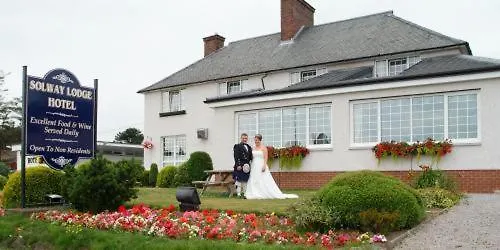
1. Solway Lodge Hotel
Show on map


 Check-infrom 14:00 until 23:00Check-outfrom 07:00 until 10:00
Just a few rooms left at the best rate!
from£ 95
-
2. The Wheatsheaf At Beetham
Show on map


 Check-infrom 15:00 until 22:00Check-outfrom 07:00 until 11:00
Just a few rooms left at the best rate!
from£ 117
- Show on map
Best price guarantee
-
4. Old Croft House
Show on map


 Check-infrom 16:00 until 18:00Check-outfrom 08:00 until 09:00
Hurry – almost gone at this price!
from£ 137
Best Premium Stays
These two properties offer a step up in setting, facilities, or dining quality, and are particularly well-suited to guests who want a more rounded hotel experience - including notable on-site food and a stronger sense of place.
-
5. Wheyrigg Hall Hotel
Show on map


 Check-infrom 14:00 until 23:00Check-outuntil 10:00
Hurry – almost gone at this price!
from£ 69
-
6. West Point House
Show on map


 Check-infrom 15:00 until 23:59Check-outuntil 10:00
Rooms filling fast – secure the best rate!
from£ 80
Smart Travel & Timing Advice for the Lake District
The Lake District peaks sharply in July and August, when school holidays push occupancy in central villages to near capacity and prices in Windermere and Ambleside can rise by around 40% compared to shoulder months. Late September and October offer the best balance of manageable crowds, dramatic autumn colour on the fells, and still-open hospitality businesses - arguably the most rewarding window for a first visit. Spring (April to early June) is excellent for walking and waterfall views after winter rainfall, with hotel rates still at pre-summer levels. Winter stays are quieter and notably cheaper, but some smaller rural properties reduce hours or close entirely between January and February, so always confirm directly. A minimum of three nights is recommended to meaningfully explore more than one area - the Lake District's geography rewards slow travel, and a single overnight barely scratches the surface of what the region offers. Book summer stays at least 8 weeks ahead for any property inside or adjacent to the national park boundary.